Why does catalyst fail?
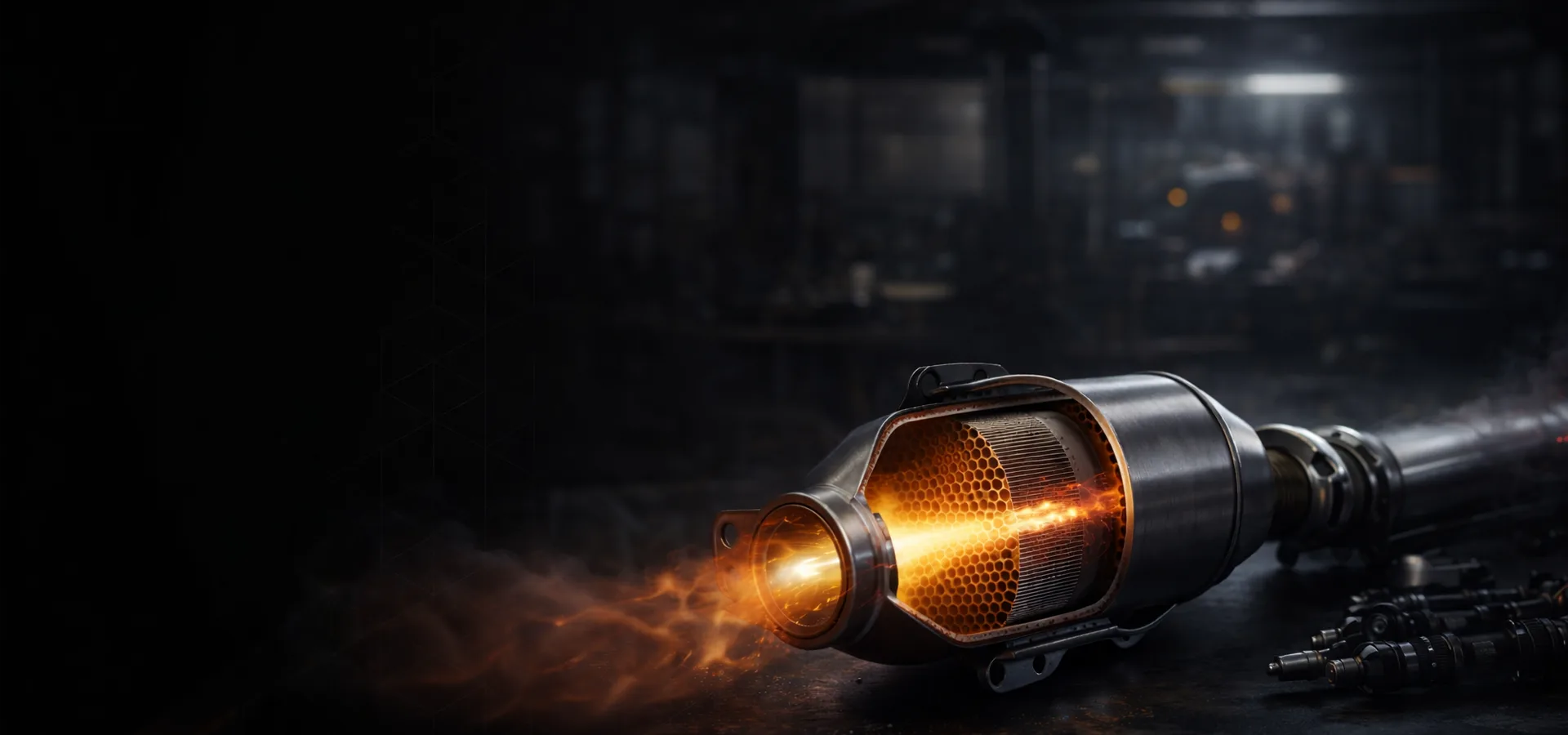
The catalytic converter is an important component of the exhaust system that is responsible for the environmental friendliness of emissions. However, due to its fragile structure, it often becomes the "weak link" in the car.
Why does a catalyst fail? 5 main reasons
The catalytic converter is an important component of the exhaust system that is responsible for the environmental friendliness of emissions. However, due to its fragile structure, it often becomes the "weak link" in the car. Catalyst failure not only impairs the dynamics of the car, but can also lead to serious damage to the engine.
Consider the main factors that shorten the life of your catalyst:
1. Poor fuel quality
This is factor No. 1 in Ukraine. Low-quality gasoline with an excessive amount of additives does not burn completely. Fuel residues enter the catalyst cells, where over time they form impenetrable soot or cause chemical destruction of the spray.
2. Ignition system malfunction
If the spark plugs or coils work intermittently (misfires), the fuel mixture detonates directly in the catalyst. The temperature inside rises sharply, resulting inFusion of ceramic honeycombs.
3. Ingress of lubricant or antifreeze
If the engine "takes oil", its combustion products settle on the walls of the converter in the form of greasy soot. This "cements" the system, increasing the back pressure in the exhaust system and the load on the engine.
4. Mechanical damage and thermal shock
- Shots:The ceramics inside the case are very fragile. One unsuccessful collision with an obstacle is enough for the core to crumble.
- Drastic cooling:The ingress of cold water on a hot case (for example, in a deep puddle) causes the appearance of microcracks, which subsequently destroy the assembly.
5. Natural wear and tear
The average catalyst resource is100–150 thousand km. km. Over time, the active layer of metals (platinum, palladium, rhodium) simply burns out, and the part ceases to perform its function, which is usually signaled by an errorP0420.
Important:If you smell hydrogen sulfide in the cabin, notice a deterioration in traction, or see "Check Engine" on the panel, do not hesitate. Particles of broken ceramics can be sucked back into the cylinders, resulting in scuffing on the piston group.
Don't wait for expensive engine repairs!
Check the condition of your car today. Our specialists will conduct professional diagnostics of the exhaust system, check the catalyst throughput and offer the best solution (replacement or professional removal with software adaptation).
Related articles