When to replace tires with winter tires: the 7 °C rule, timing and prices in 2026
Wondering if you should already replace tires with winter tires? Many drivers are guided by the date on the calendar or wait for the first snow. In fact, neither is a reliable guide. The only practical criterion based on the physics of rubber is the temperature limit of +7 °C.
The 7 degree rule: what it is and why it works
The summer rubber compound is designed to operate at temperatures above +7 ° C. When the air cools below this limit, the material hardens, the tread loses elasticity and comes into worse contact with the road surface. As a result, the braking distance increases, and handling deteriorates even on dry asphalt without any snow or ice.
Winter tires are made from a different compound that retains softness and grip at low temperatures. That is why the 7 degree rule for tires does not apply to snow, but to the condition of the rubber itself.
|
Temperature |
What happens to summer tires |
|
+10 °C |
The mixture is still normal, but the elasticity decreases |
|
+7 °C |
Critical limit at which hardening is noticeable, recommended replacement |
|
+3 °C |
Braking distance increases by 25-30% compared to winter tires |
|
0 °C and below |
Significant loss of traction, a sharp increase in risk |
But here we are talking about the average daily temperature, and not about one cold morning. The benchmark for making a decision is 3-5 days in a row below +7 °C in the forecast.
The myth of the "date on the calendar": why November 1 is not the rule
There is a widespread belief among drivers that tires need to be changed before November 1. This is a convenient guideline, but nothing more. Autumn is different, in warm October, winter tires on warm asphalt wear out faster than they should, and fuel efficiency drops. On the other hand, a sharp cold snap can come in mid-October.
At what temperature to change tires for winter tires, the answer is always the same - when the average daily tire steadily drops below +7 ° C. Not earlier, so as not to waste the resource of winter tires on warm asphalt, and no later than not to drive on hardened summer tires.
Is there an obligation to replace tires with winter tires?
There is no separate norm in Polish law that would oblige the driver to change summer tires for winter tires on a specific date or at a certain temperature. However, the car must meet technical safety requirements. There is a minimum allowable tread depth of 1,6 mm, and for an accident on worn or unseasonable tires, the insurance company may raise the question of partial fault of the driver.
The recommendation to change tires to winter tires is not a legal obligation, but the insurance risks and the real braking distance on cold asphalt speak for themselves.
When is the best time to change tires: timing for Warsaw
For Warsaw, the practical window for seasonal replacement falls on mid-October - mid-November. It is during this period that average daily temperatures steadily approach +7 °C and fall below it.
Why shouldn't you wait for the first snow? Because snowfall can catch you suddenly, and the appointment for the service at the peak of the season is scheduled for several weeks in advance. In addition, the right tire size may not be available.
Why is "too early" also not the best solution? If you change the wheels in September at +15 °C, winter tires actively wear out on a warm surface, and fuel consumption increases.
Mini-checklist for making a decision:
- in the forecast for the week there are frosts or a persistent cold snap below +7 °C;
- in the morning there is already frost on the glass;
- there is an appointment to the service at least 7-10 days in advance;
How often and after how long do you need to change tires at all
The seasonal cycle involves two changes of shoes per year. In autumn, when the temperature steadily drops below +7 °C, winter tires are installed. In the spring, when the average daily temperature stabilizes above the same mark, they return to summer tires. At what temperature to change tires to summer tires, the answer is symmetrical - at stable +7 °C and above, usually in March-April.
The standard service life of a tire, regardless of mileage, is approximately 5-6 years from the date of manufacture. The date of manufacture can be read in the DOT code on the sidewall: the last four digits mean the week and year of manufacture (for example, 2823 = 28th week of 2023).
The minimum tread depth by law should be 1,6 mm, however, for winter tires, experts recommend replacing them when they reach 4 mm, since below this value the characteristics on snow and ice deteriorate significantly.
How much does it cost to change tires from summer to winter and vice versa
How much it costs to replace wheels from summer to winter depends on several parameters: the diameter of the wheels (R14, R15, R16, R17 and more), the type of car (car, SUV, SUV), the need for balancing, the condition of the valves and the presence of TPMS sensors. The current price list for tire replacement in Warsaw is given on our service pagehttps://doc-serwis.pl/uk/services/wymiana-opon.
What is usually included in the price, and what is paid separately:
- The basic service includes the installation and dismantling of tires or the change of the finished "tire + disk" kit;
- balancing is mandatory after each replacement and is usually included in the cost or calculated per wheel;
- new valves are recommended to be changed every year, they are relatively inexpensive, but are a separate item;
- TPMS sensor maintenance (check, programming, replacement) is calculated depending on the state of the system.
A few tips on how to save money: if you keep a second set of tires on your own rims, an annual replacement will cost less than changing the same tires every time. Weekday recording tends to be faster and without peak season queues.
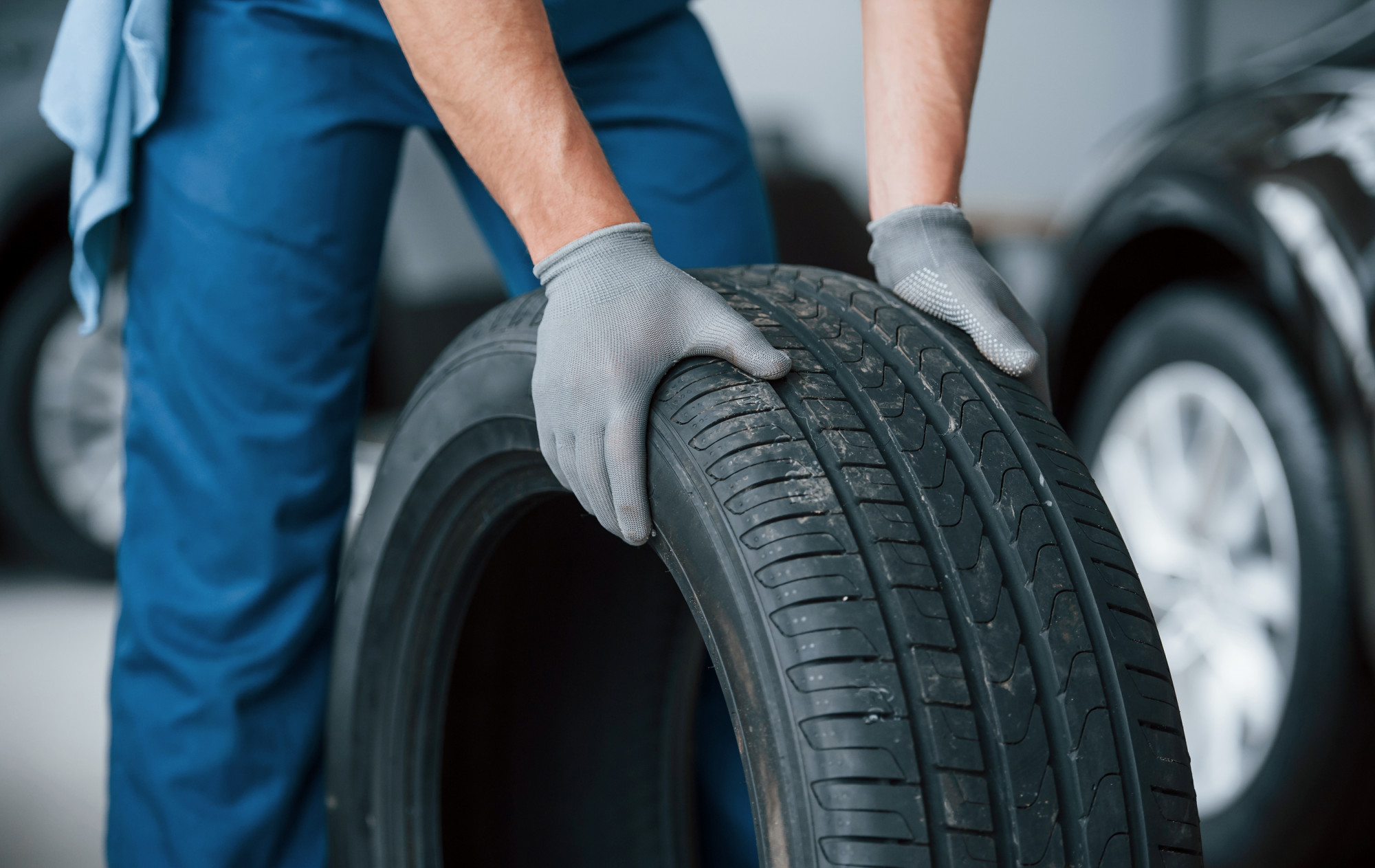
Typical mistakes of car owners and how it can turn out
- Wait for the first snow.By this time, registration in most services is already busy, and driving on hardened summer tires on cold asphalt is dangerous even before the snow appears.
- Put only 2 winter tires instead of 4.The difference in grip between the axles leads to unpredictable vehicle behavior on slippery surfaces, especially when braking.
- Ignore the age of the rubber.A tire that is over 6 years old may look normal, but microcracks in the rubber compound already reduce its performance.
- Forget about pressure after changing shoes. The temperature difference between the seasons changes the pressure in the wheels, and after replacing it, it must be checked and adjusted.
- Skip balancing.Without balancing, runout occurs after installation, which is transmitted to the steering wheel and accelerates the wear of the suspension and hubs.
- Do not check the TPMS sensors.After seasonal replacement, the sensors may need to be reprogrammed. A pressure light on the dashboard that stays on continuously reduces control over the actual condition of the tires.
How long does it take to change tires
A standard replacement of a set of four wheels with balancing takes from 40 minutes to 1.5 hours, depending on the workload of the service and the type of vehicle. If TPMS sensor maintenance or puncture repair is additionally required, then this time increases. Pre-registration allows you to avoid waiting in line and plan the time more accurately.
If you need to change tires in Warsaw, you can make an appointment with our car service and quickly change your shoes so that it is ready for winter on time.
Related articles